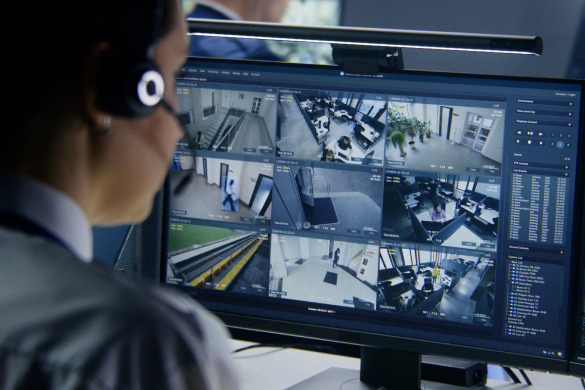

A technology risk assessment evaluates the performance, configuration, and alignment of your security systems with operational needs. It identifies coverage gaps, integration limitations, and workflow vulnerabilities that may increase exposure across facilities and portfolios.
System Coverage and Configuration
We review surveillance placement, access control architecture, alarm configuration, recording retention, and system setup to identify blind spots and misalignment with site operations.
Integration and Monitoring Workflows
We evaluate how systems communicate, how alerts are handled, how escalation occurs, and whether monitoring processes support timely response.
Redundancy and Failure Exposure
We assess system dependencies, backup protocols, single points of failure, and operational risks created by technology gaps or outdated infrastructure.
A technology risk assessment examines the security platforms used to detect, control, and monitor activity.
This typically includes:
- Video surveillance placement and recording retention
- Access control configuration and credential management
- Alarm and intrusion systems
- Monitoring and escalation workflows
- Integration between platforms
- Hardware and software lifecycle status
The objective is to understand how systems are structured and how they support real-world operations.
Once systems are mapped, exposure is evaluated based on performance, configuration, and operational alignment.
The assessment analyzes:
- Coverage gaps and blind spots
- Integration breakdowns between systems
- Single points of failure
- Redundancy and failover capability
- Alert handling and escalation workflow
- Misalignment between system design and site operations
This process distinguishes minor technical issues from material failures that affect response capability and operational continuity.
The assessment provides a structured summary of system-related risk and practical next steps.
Findings outline:
- Where coverage or configuration creates exposure
- Operational impact of system failure or delay
- Risks created by integration gaps or outdated infrastructure
- Prioritized improvement considerations aligned with lifecycle planning
Results are presented in clear language to support informed decisions across operations, security, and leadership teams.